Godot MCP setup
Updated 2026-09-06
अपने reviewed Godot MCP installation की ओर MCP client को point करें, engine और project की पहचान करें, फिर reversible scene change verify करें।
समझें कि MCP कौन-सा connection देता है
Coding-Solo/godot-mcp Godot projects चलाने, debug output लेने और scenes पर काम करने के tools document करता है। यह project-maintained bridge है, model service या official Godot distribution नहीं। Agent को अपना model access और उचित local permissions फिर भी चाहिए।
Setup record में तीन identities रखें: client, MCP server revision और Godot executable। एक में failure होना बाकी के unavailable होने का evidence नहीं है। Problem कहाँ inspect करनी है, यह तय करने के लिए connection diagram का उपयोग करें: provider authentication, client configuration, local tool process या engine project।
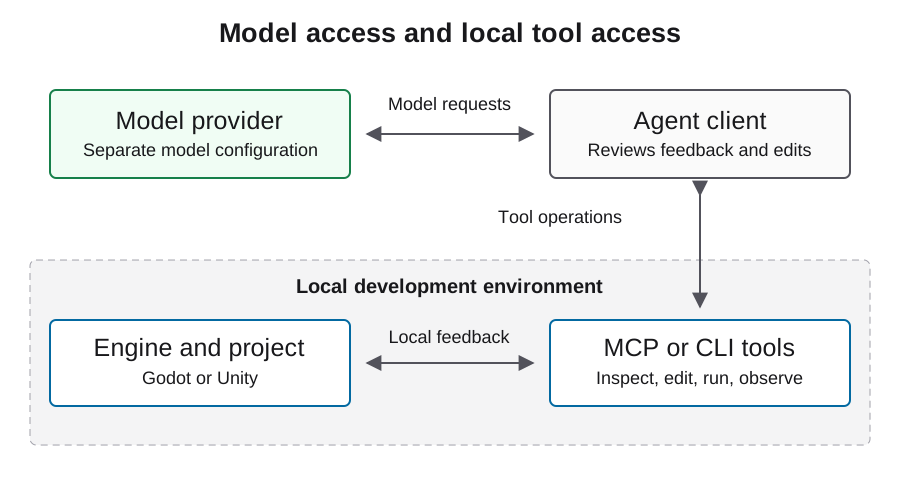
Prerequisites को चुपचाप बदले बिना inventory बनाएँ
Installation से पहले service requirements inspect करें और review के लिए कोई specific server version या revision चुनें। Confirm करें कि client process से मौजूदा engine और runtime मिल सकते हैं, केवल interactive shell से नहीं। Operating system और intended project directory record करें।
Dependency changes की अनुमति देने से पहले service installation procedure review करें। Runtime, server revision और installation location लिखें और previous environment restore करने का तरीका रखें। Setup के बाद moving source URL के बजाय resolved versions record करें। इससे client या engine upgrade होने पर working connection reproduce करने में मदद मिलेगी।
Documented local build entry point का उपयोग करें
Service README source build के लिए client entry point के रूप में build/index.js और explicit executable override के रूप में GODOT_PATH को support करता है। नीचे का JSON placeholders के साथ पहले से built route दिखाता है। हर path को reviewed local installation से बदलें और जाँचें कि client process उसे पढ़ सकता है।
वही schema उपयोग करें जिसे आपका client वास्तव में support करता है। Generic mcpServers object अपने आप Codex configuration file नहीं होता। केवल उस client की documented settings से configure करें और model credentials को इस engine-tool block से बाहर रखें। GUI client का environment terminal से अलग हो तो absolute Node path उपयोगी हो सकता है।
{
  "mcpServers": {
    "godot": {
      "command": "/absolute/path/to/node",
      "args": ["/absolute/path/to/reviewed-godot-mcp/build/index.js"],
      "env": {
        "GODOT_PATH": "/absolute/path/to/godot"
      }
    }
  }
}
पहले read-only tool path verify करें
Configured server से लौटे tools inspect करें; याद की हुई list पर निर्भर न रहें। README get_godot_version और get_project_info को उपयोगी inspection operations के रूप में बताता है। उनका discovered parameter schema जाँचें और केवल approved project directory target करें।
Returned engine और project information को setup record से मिलाएँ। Structured results और errors सुरक्षित रखें। Observation intended workspace की पहचान करे बिना scene creation approve न करें। Client connected badge दिखाए लेकिन यह read पूरा न कर सके, तो gameplay experiment के लिए connection तैयार नहीं है। Badge अकेले यह नहीं बताता कि कौन-सा process या project मिला।
एक reversible scene miniflow authorize करें
Read access verify होने के बाद पहले write के लिए disposable owned scene उपयोग करें। उसका original state record करें, एक visible change माँगें, saved scene inspect करें, उसे चलाएँ, output लें और project रोक दें। Resulting file diff और observations साथ रखें।
Acceptance condition requested change से saved resource और visible runtime behavior तक की chain है। Tool success report करे लेकिन scene न बदले, तो दूसरी mutation से पहले project targeting और saved paths inspect करें। Save करने के बाद scene reopen करें, ताकि check में persistence और current in-memory state दोनों शामिल हों।
| Gate | सुरक्षित रखने योग्य evidence | Stop condition |
|---|---|---|
| Discovery | Actual tool schemas | Wrong या missing server |
| Inspection | Engine और project identity | Unexpected workspace |
| Mutation | Owned scene diff | Unrelated files changed |
| Execution | Runtime output और observed scene | Behavior reproduce नहीं हुआ |
Failures को सही boundary पर diagnose करें
Process startup fail हो तो runtime और entry-point paths inspect करें। Godot न मिले तो client environment से executable override verify करें। Project inspect न हो तो जाँचें कि path उस directory की पहचान करता है जिसमें project.godot है और process उसे पढ़ सकता है।
Project चलने लगे तो scene या gameplay errors को reproduction context के साथ engine issues की तरह handle करें। Local path problem ठीक करने के लिए provider credentials न बदलें। Server logs सावधानी से capture करें: share करने से पहले sensitive filesystem details sanitize करें और हर project operation indiscriminately record करने के बजाय detailed debugging को temporary रखें।
Approval और network boundaries सीमित रखें
Engine tool working project बदल सकता है या code launch कर सकता है। Access को सबसे छोटी उचित directory तक सीमित करें और behavior समझ आने तक mutation requests review करें। केवल इसलिए broad auto-approval lists copy न करें कि वे example configuration में दिखती हैं।
Imported scripts, plugins और tool output को inspect किए जाने वाले material की तरह मानें, authority बढ़ाने वाले instructions की तरह नहीं। Package downloads, owned scene के बाहर file deletion, credential changes और publishing के लिए explicit decisions चाहिए। पहला सफल miniflow policy review का आधार है, हर future tool action की अनुमति का कारण नहीं।
Verified setup की सीमाएँ record करें
Complete setup record में server revision, client, engine version, project path, discovered tools, completed read, reversible change और runtime result होने चाहिए। कौन-से actions untested हैं, यह लिखें। इसे game evidence के साथ रखें; universal compatibility guarantee की तरह प्रस्तुत न करें।
अगली layer production loop है: feature implement करें, behavior reproduce करें, export करें और target platform पर test करें। यहाँ configuration service documentation follow करती है और चुने हुए client तथा versions पर validate होनी चाहिए। उस scoped result को project के साथ रखें और server, engine या client बदलने पर वही inspection gate फिर उपयोग करें।
अक्सर पूछे जाने वाले प्रश्न
क्या यह official Godot plugin है?
यह guide Coding-Solo/godot-mcp project को cover करती है। Bridge के लिए उसका repository authority है; engine behavior के लिए Godot documentation authority है।
GODOT_PATH कहाँ रखना है?
Documented server configuration इसे server environment में स्वीकार करता है। इसे actual executable की ओर point करना चाहिए, केवल project folder की ओर नहीं।
क्या यह JSON हर client में paste कर सकता हूँ?
नहीं। यह generic MCP configuration shape दिखाता है। चुने हुए client का documented schema और settings location उपयोग करें।
Writes allow करने से पहले क्या test करूँ?
Tools discover करें, engine identity प्राप्त करें और exact intended project inspect करें। Results सुरक्षित रखें और target अस्पष्ट हो तो रुकें।
क्या इस configuration में model API key है?
इस engine-tool example में model key नहीं होनी चाहिए। Model provider को agent client में अलग configure करें और credentials private रखें।