AI गेम डेवलपमेंट API cost
Updated 2026-09-05
Accepted playable slice तक पहुँचने वाले route का budget बनाएँ। Text coding, image production, failed repairs और human work अलग track करें, ताकि total से हासिल परिणाम स्पष्ट हो।
Initial prompt नहीं, पूरा workflow estimate करें
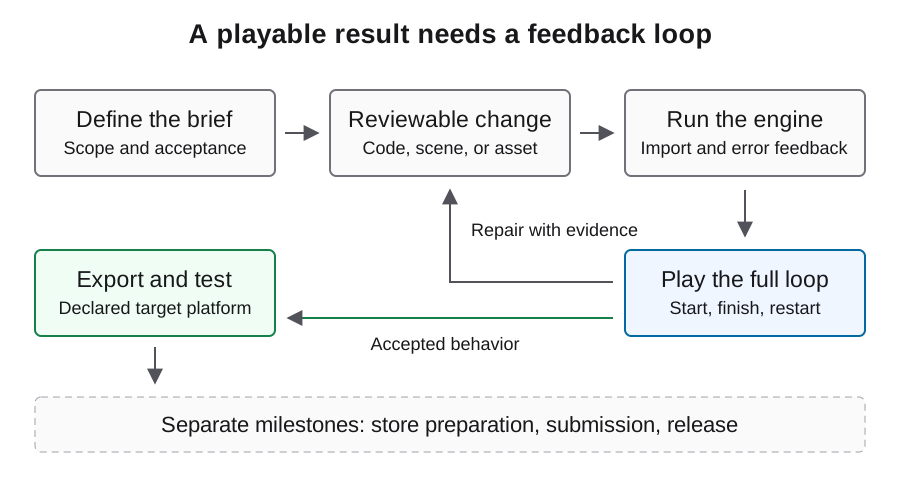
Game-development session बार-बार source पढ़ सकती है, edits propose कर सकती है, engine errors समझ सकती है, screenshots inspect कर सकती है और failed work retry कर सकती है। Initial brief केवल एक input है। Complete round और restart जैसे छोटे accepted milestone से budgeting शुरू करें, यह मानकर नहीं कि एक request deliverable बना देगी।
जिन stages के लिए भुगतान अपेक्षित है उनकी सूची बनाएँ: implementation, debugging, asset work, localization और review। कौन-सा काम local चलता है और कौन billable service invoke करता है, यह mark करें। बड़ा budget approve करने से पहले pilot से जानें कि usage कहाँ जमा होती है; estimate में assumptions लिखें, उसे measured invoice जैसा न दिखाएँ।
अलग resources के लिए अलग ledgers रखें
Text-model calls, image generation, audio services, local engine work और human intervention के लिए अलग categories रखें। Local compile अपने आप model tokens खर्च नहीं करता, जबकि उसका log agent को भेजने पर नया request बन सकता है। एक assistant इन सभी activities को orchestrate कर सकता है, फिर भी उनकी billing units समान नहीं हो जातीं।
Subscription activity को API usage से अलग रखें। Internal budgeting में subscription का कुछ हिस्सा project को allocate करें तो इसे allocation rule के रूप में label करें, observed per-request charge के रूप में नहीं। इसी तरह development task का API spend offline game के हर future player की cost न मानें।
| Category | Record | Budget question |
|---|---|---|
| Text coding | Provider usage और actual model identity | कौन-सा repair stage requests consume करता है? |
| Image या audio production | Service-specific request और billing records | कितने outputs acceptance तक पहुँचते हैं? |
| Engine work | Local execution time और environment | Build या import work progress को कहाँ रोकता है? |
| Human review | Interventions और review time | अभी किस manual correction की जरूरत है? |
Aggregate करने से पहले request records capture करें
हर operation को run identifier और stage दें। जहाँ exposed हों वहाँ provider request identifiers, actual model identity, outcome, usage और billing evidence का reference रखें। Logs export करने से पहले credentials sanitize करें। नीचे का illustrative record unobserved values को जानबूझकर null छोड़ता है।
Accepted local file को successful request न मानें और timeout को zero charge न मानें। Client connection खोने के बाद भी कुछ usage आ सकती है। Total finalize करने से पहले provider record reconcile करें और unmatched entries visible रखें। इससे telemetry gaps को apparent savings बनाए बिना repeated experiments की तुलना हो सकेगी।
{
  "run_id": "game-pilot",
  "stage": "controller-repair",
  "provider_request_id": null,
  "model_id": null,
  "outcome": "not_started",
  "usage": null,
  "billed_amount": null,
  "currency": null,
  "billing_evidence": null,
  "accepted_artifact_hash": null
}
Actual provider pricing contract लागू करें
जिस provider और service tier ने request handle किया, उस billing record पर लागू rate उपयोग करें। OpenAI की official pricing token और tool categories बताती है; APIsRouter pricing अलग commercial source है। दोनों को चुपचाप एक-दूसरे के स्थान पर substitute न करें।
Estimate में हर billable category पर applicable rate लगाएँ और service-specific charges जोड़ें। Provider cached input, output और tool usage कैसे report करता है, यह जाँचें ताकि categories दो बार count न हों। Currency और conversion assumptions स्पष्ट रखें। Actual spend reconcile करते समय provider का settled charge प्राथमिक evidence है; estimate अलग रखें ताकि अंतर समझाया जा सके।
Repair loops के चारों ओर stop conditions रखें
Budget ceiling और हर accepted milestone के बाद checkpoint तय करें। Automatic retries को bound करें और तय करें कि कौन-सा symptom human diagnosis शुरू करेगा, जैसे repeated edits के बाद वही reproduction unchanged रहना। Provider spending control और agent task limit अलग boundaries सुरक्षित करते हैं; दोनों उपलब्ध हों तो उपयोग करें और उनका behavior verify करें।
Relevant scene, changed files और first meaningful error भेजकर unnecessary context घटाएँ। Failed approaches दोहराने से बचने के लिए पर्याप्त state रखें। Input छोटा करने के लिए important evidence न हटाएँ: दूसरा blind repair कराने वाला सस्ता request accepted result की cost बढ़ा सकता है।
Same acceptance path पर models compare करें
Brief, project baseline, target और acceptance criteria constant रखें। हर model के failed attempts और human assistance record करें। केवल token price या first response की apparent quality नहीं, total reconciled spend और accepted behavior compare करें।
अलग task categories को अलग model देने का निर्णय तभी लें जब pilot required standard पूरा दिखाए। Straightforward string handling, कठिन gameplay diagnosis और visual review की जरूरतें अलग हो सकती हैं। अधिक capable model iterations घटा सकता है, लेकिन same-task record समर्थन करे तब तक यह hypothesis है। Rolling recommended-model list से बचें जो stale हो जाए या unverified availability imply करे।
Game production और runtime economics अलग रखें
Offline exported game development के बाद ordinary deterministic logic चला सकता है। Live model-generated dialogue या अन्य runtime features जोड़ें तो player behavior, service failures, abuse controls और continuing operations को cover करने वाला अलग budget बनाएँ। Provider secrets game client में embed करने के बजाय उचित service boundary के पीछे रखें।
Development tokens को sales से multiply करके runtime budget estimate न करें। Authorized test में actual feature का request pattern measure करें और लागू platform requirements review करें। Production में एक बार generated image assets और runtime में players के लिए generated images भी अलग cost models हैं।
Astra case के evidence को सही तरह पढ़ें
Explicit Astra evidence attach होने तक game prototype की model identity unverified रहती है। उस case पर rate लगाने से पहले actual provider, access mode और model identity confirm करें। Development brief में लिखे model name से charge infer न करें; provider billing record उपयोग करें।
इस page पर measured game budget नहीं है। इसका ledger और budgeting method एक प्राप्त करने का तरीका है। Useful final report में accepted milestone, artifact identity, actual API spend, separate asset charges, human work और unresolved billing entries लिखें, ताकि readers समझ सकें कि expenditure से क्या हासिल हुआ।
अक्सर पूछे जाने वाले प्रश्न
एक AI-built game की लागत कितनी होती है?
कोई भरोसेमंद universal number नहीं है। Scope, repair loops, assets, access mode और human review workflow तय करते हैं। पहले छोटा accepted slice measure करें।
क्या failed requests को exclude करना चाहिए?
उन्हें ledger में रखें और billing outcome reconcile करें। Failed client operation का अर्थ यह जरूरी नहीं कि provider usage zero थी।
क्या image costs Astra text coding का हिस्सा हैं?
Image-generation service charges अलग record करें। Agent call coordinate करे, फिर भी image service और text model एक ही billable resource नहीं बनते।
क्या subscription usage API cost के बराबर है?
नहीं। Subscription activity और actual API charges अलग रखें। Internal subscription allocation हो तो उसका accounting rule label करें।
Cost per prompt से उपयोगी metric क्या है?
Accepted milestone की total reconciled spend को intervention और defect records के साथ देखें। इससे expenditure उस usable result से जुड़ता है जिसे player उपयोग कर सकता है।